
Technical Leadership for Scalable Product Delivery (Zh)

Technology Consultant

Engineering that creates business value.

I help companies build scalable digital products by bringing together software architecture, product strategy and engineering leadership.

Who I work with

  • Startups
  • Scale-ups
  • SMEs
  • Enterprise
Consulting services Trusted technology partner.

Software investments should do more than keep systems running. They should speed up your processes, reduce operating costs and prepare your company to grow.

Technology for growth

Your technology investment should grow your business.

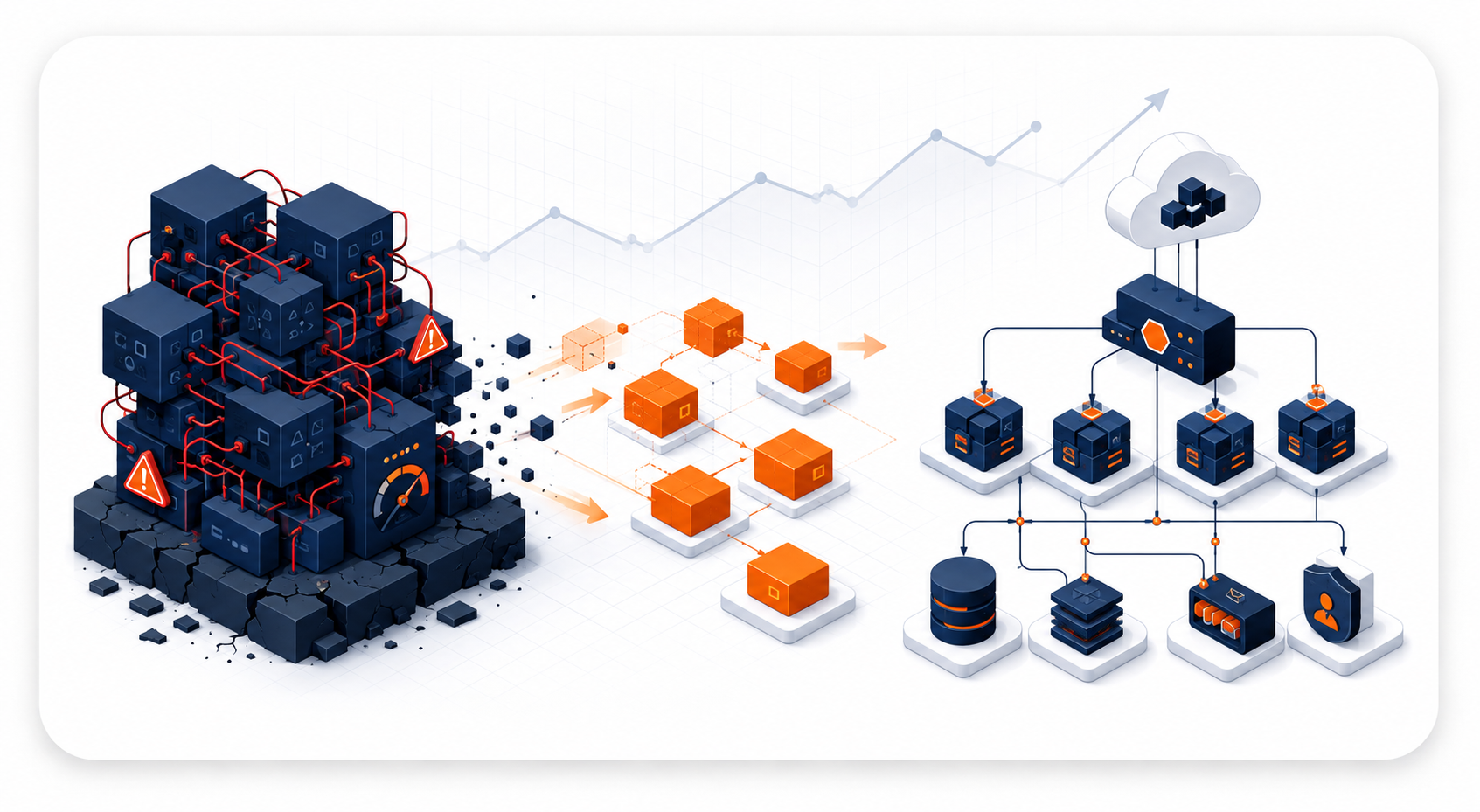
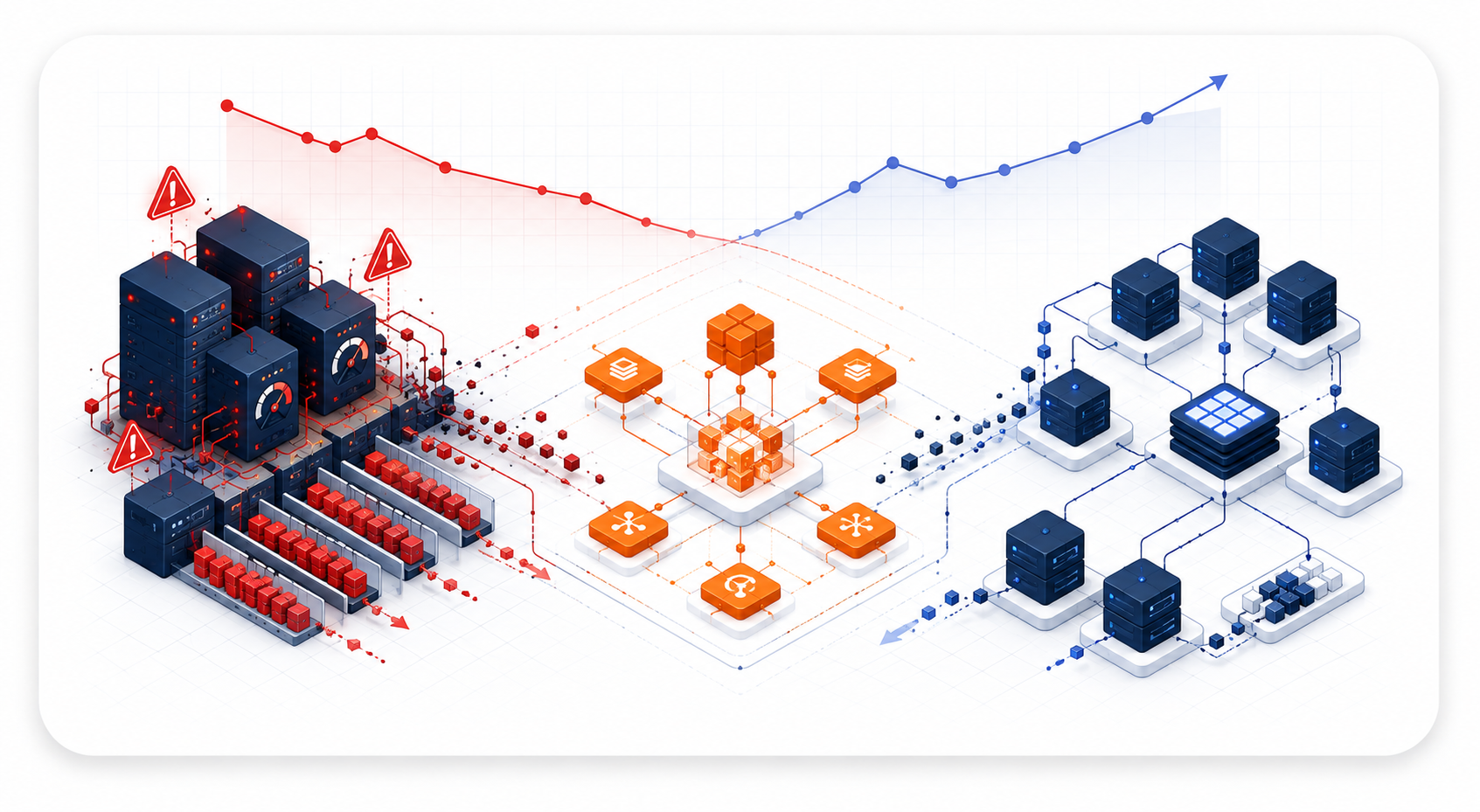
The right architecture accelerates delivery, reduces operating costs and prepares your company for future growth. I design and deliver that transformation.

  1. 01

    Business goals

    I make sure your software investment supports company goals and measurable outcomes.

    • Faster delivery
    • Lower costs
    • Measurable value
  2. 02

    Right architecture

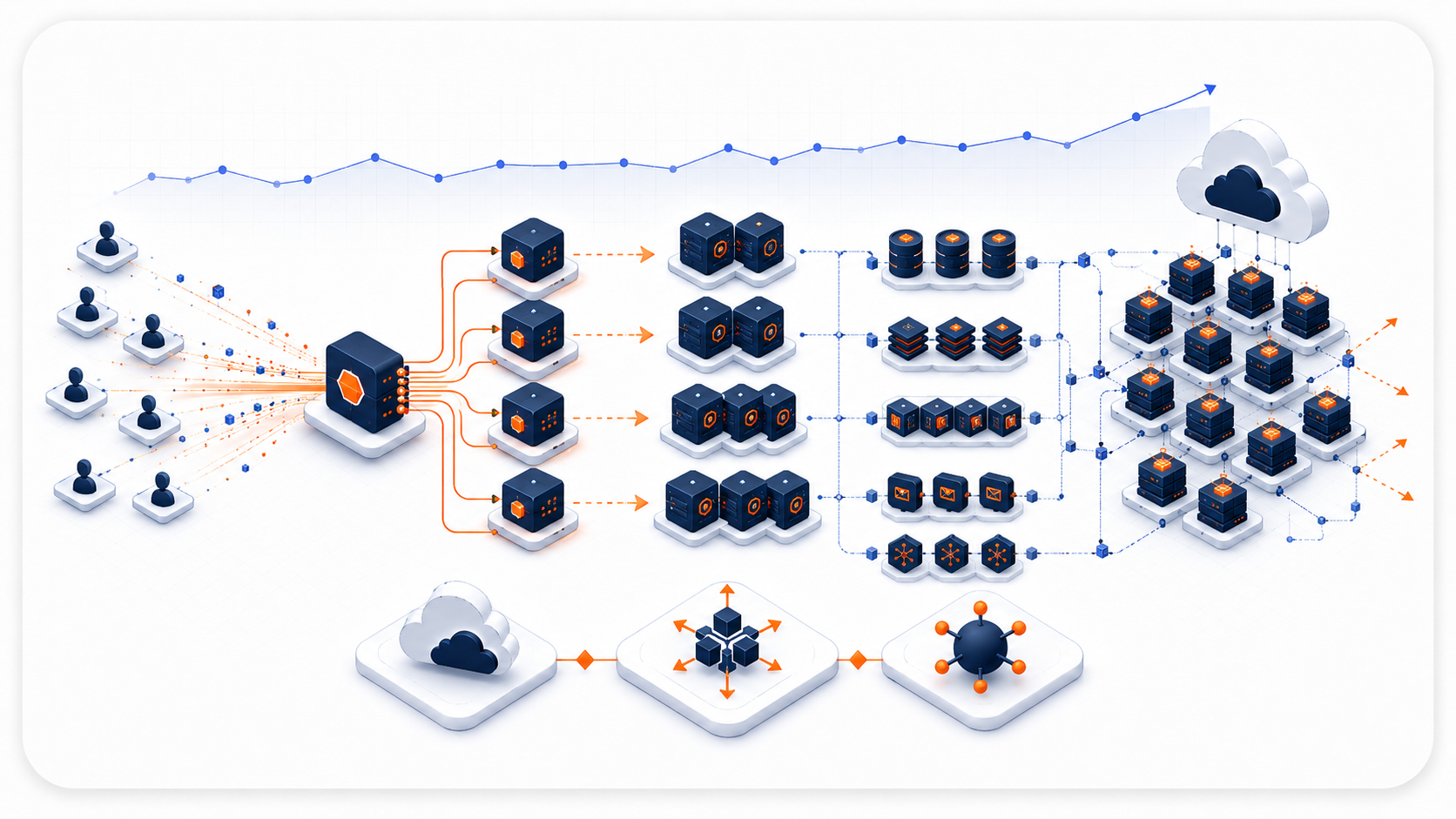
    I design systems that solve today's needs without limiting tomorrow's growth.

    • Less technical debt
    • Ready for change
    • Scalable systems
  3. 03

    Reliable delivery

    I help new features reach customers safely and predictably.

    • Safer releases
    • Faster development
    • Operational continuity
  4. 04

    Sustainable growth

    I turn technology into long-term efficiency and competitive advantage.

    • Controlled costs
    • Resilient operations
    • Ready to scale

Measured by impact numbers that reflect our growth and trust.

Help when you need it!

The right fit

I work with you when the problem is the right one.

The best projects happen when technical goals and business goals move in the same direction. That is why I choose every engagement with care.

Where I create the most value

  • SaaS companies preparing to scale their product
  • Marketplace and e-commerce platforms
  • Teams modernising legacy systems
  • Companies integrating AI into business processes
  • Engineering teams building cloud and distributed systems

It may not be the right fit

  • Companies that make price the only decision criterion
  • Teams that put short-term fixes ahead of long-term architecture
  • Organisations that continually postpone technical debt
  • Teams that change priorities without establishing delivery discipline
  • Companies seeking code delivery without product ownership
Request a technical assessment

Working principles

Stop technology from slowing your company down.

Every technical decision should produce faster delivery, lower risk and sustainable growth.

  1. Reach production faster

    Small changes should not create major release risk.

    New features reach customers sooner.
  2. Bring technical debt under control

    Complexity becomes visible and priorities follow business impact.

    Technical risk no longer blocks growth.
  3. Help teams move independently

    Clear system boundaries reduce how often teams wait on one another.

    Delivery accelerates and dependencies decrease.
  4. Make delivery predictable

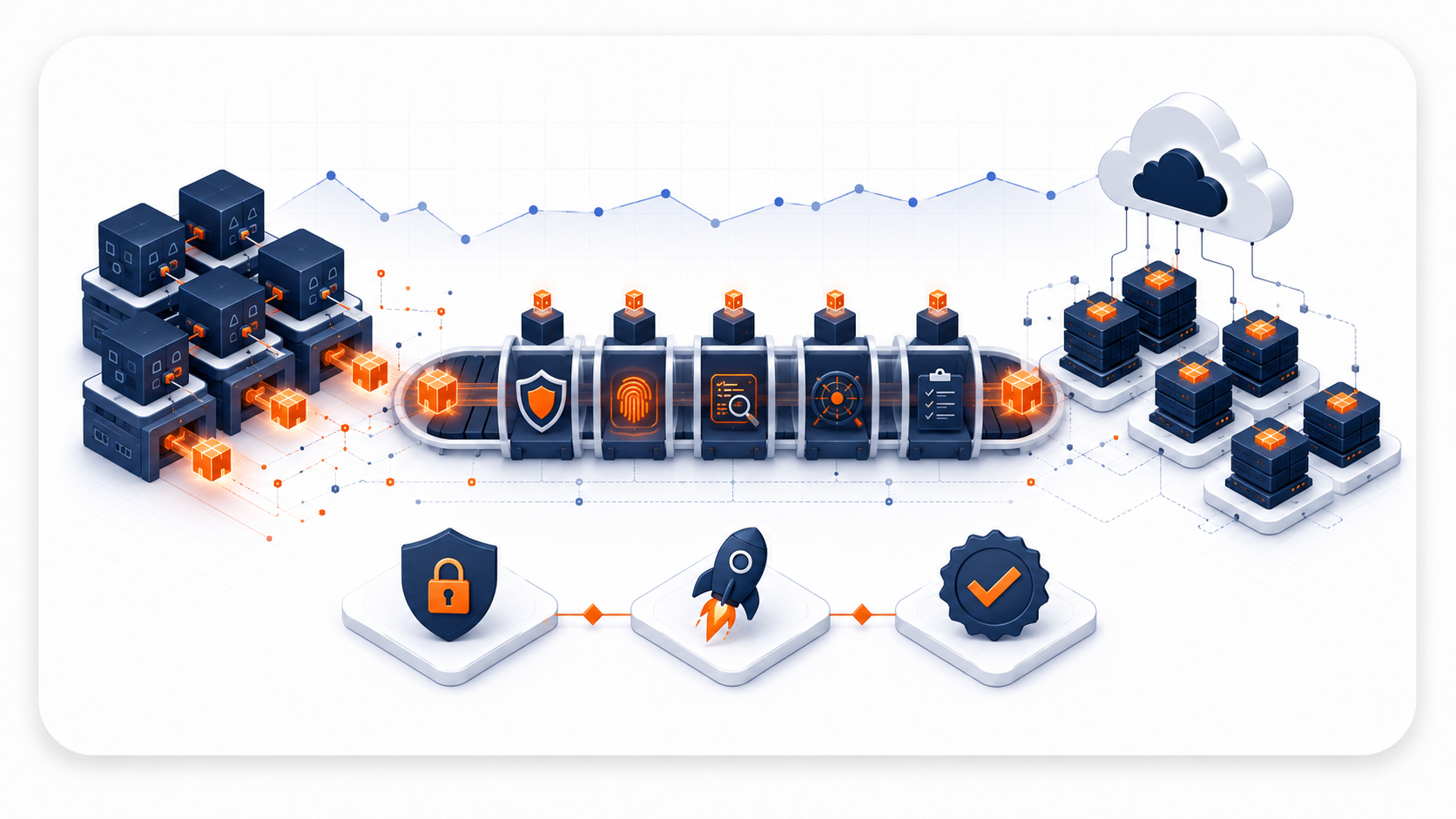
    Automation, measurement and observability reduce operational risk.

    Safer releases and more resilient operations.

Work built together

I turn distinct business models into reliable, scalable digital products.

Each engagement is a case study in bringing business context, technical decisions, and delivery discipline into one system.

Featured engagement

Kayra Export:市场和电子商务平台 (CTO)

作为首席技术官,我负责管理电子商务和市场转型;我构建了 .NET 微服务 + CQRS 架构,并在 AWS 上对其进行了扩展。我通过支付/集成和人工智能支持的模块将多渠道商务基础设施产品化。

See what I delivered in this case study

Perspectives

Technology, growth and better decisions.

Explore more
架构 · 手册

金融科技公司真正在寻找什么?

职业视角:金融科技公司而非 Stripe SDK;它寻求失败思维、和解、幂等性和证据驱动的思维。

系列目录

分布式支付引擎

第 22 / 22

  1. 第 1 なぜ決済システムは分散型システムなのでしょうか?
  2. 第 2 チェックアウト ステータス マシンの設計: チェックアウトと支払いが同じものではないのはなぜですか?
  3. 第 3 収集(キャプチャ)は簡単だが、ファイナライズはな​​ぜ難しいのか?
  4. 第 4 不変のチェックアウト スナップショットの設計: カートを凍結する決定
  5. 第 5 API (アプリケーション プログラミング インターフェイス) リクエストを超えた冪等性 (反復可能で安全なトランザクション)
  6. 第 6 決済システムにおける Webhook の信頼性
  7. 第 7 決済システムにおける送信箱/受信箱のパターン
  8. 第 8 支払い証明書と支払いステータス: 混同すべきではない理由
  9. 第 9 SDK (ソフトウェア開発キット) を漏らさないプロバイダーの抽象化: ゲートウェイの限界
  10. 第 10 语义事件而不是原始提供者数据
  11. 第 11 付款错误分类
  12. 第 12 支付工作人员的重试算法
  13. 第 13 数据库支持租赁作品
  14. 第 14 付款对账工人施工
  15. 第 15 已付款但无订单:改进
  16. 第 16 为什么最终一致性优于分布式事务
  17. 第 17 Webhook 下的乐观并发
  18. 第 18 付款可观察性和相关性
  19. 第 19 付款回收管道和操作手册
  20. 第 20 一次性有效处理付款
  21. 第 21 设计生产支付引擎
  22. 第 22 金融科技公司真正在寻找什么?
架构 · 手册

设计生产支付引擎

22 部分系列的综合:具有结账协调器和提供商网关的生产支付引擎的架构清单。

系列目录

分布式支付引擎

第 21 / 22

  1. 第 1 なぜ決済システムは分散型システムなのでしょうか?
  2. 第 2 チェックアウト ステータス マシンの設計: チェックアウトと支払いが同じものではないのはなぜですか?
  3. 第 3 収集(キャプチャ)は簡単だが、ファイナライズはな​​ぜ難しいのか?
  4. 第 4 不変のチェックアウト スナップショットの設計: カートを凍結する決定
  5. 第 5 API (アプリケーション プログラミング インターフェイス) リクエストを超えた冪等性 (反復可能で安全なトランザクション)
  6. 第 6 決済システムにおける Webhook の信頼性
  7. 第 7 決済システムにおける送信箱/受信箱のパターン
  8. 第 8 支払い証明書と支払いステータス: 混同すべきではない理由
  9. 第 9 SDK (ソフトウェア開発キット) を漏らさないプロバイダーの抽象化: ゲートウェイの限界
  10. 第 10 语义事件而不是原始提供者数据
  11. 第 11 付款错误分类
  12. 第 12 支付工作人员的重试算法
  13. 第 13 数据库支持租赁作品
  14. 第 14 付款对账工人施工
  15. 第 15 已付款但无订单:改进
  16. 第 16 为什么最终一致性优于分布式事务
  17. 第 17 Webhook 下的乐观并发
  18. 第 18 付款可观察性和相关性
  19. 第 19 付款回收管道和操作手册
  20. 第 20 一次性有效处理付款
  21. 第 21 设计生产支付引擎
  22. 第 22 金融科技公司真正在寻找什么?
架构 · 手册

一次性有效处理付款

一次性消息传递是一个谎言。深度防御与幂等、去重、发件箱、对账相结合,如何实现一次见效的业务成果?

系列目录

分布式支付引擎

第 20 / 22

  1. 第 1 なぜ決済システムは分散型システムなのでしょうか?
  2. 第 2 チェックアウト ステータス マシンの設計: チェックアウトと支払いが同じものではないのはなぜですか?
  3. 第 3 収集(キャプチャ)は簡単だが、ファイナライズはな​​ぜ難しいのか?
  4. 第 4 不変のチェックアウト スナップショットの設計: カートを凍結する決定
  5. 第 5 API (アプリケーション プログラミング インターフェイス) リクエストを超えた冪等性 (反復可能で安全なトランザクション)
  6. 第 6 決済システムにおける Webhook の信頼性
  7. 第 7 決済システムにおける送信箱/受信箱のパターン
  8. 第 8 支払い証明書と支払いステータス: 混同すべきではない理由
  9. 第 9 SDK (ソフトウェア開発キット) を漏らさないプロバイダーの抽象化: ゲートウェイの限界
  10. 第 10 语义事件而不是原始提供者数据
  11. 第 11 付款错误分类
  12. 第 12 支付工作人员的重试算法
  13. 第 13 数据库支持租赁作品
  14. 第 14 付款对账工人施工
  15. 第 15 已付款但无订单:改进
  16. 第 16 为什么最终一致性优于分布式事务
  17. 第 17 Webhook 下的乐观并发
  18. 第 18 付款可观察性和相关性
  19. 第 19 付款回收管道和操作手册
  20. 第 20 一次性有效处理付款
  21. 第 21 设计生产支付引擎
  22. 第 22 金融科技公司真正在寻找什么?
架构 · 手册

付款回收管道和操作手册

自动化之前:协调工作人员和恢复管道。当独特性之墙阻碍重播时,基于证据的人类操作手册就会发挥作用。

系列目录

分布式支付引擎

第 19 / 22

  1. 第 1 なぜ決済システムは分散型システムなのでしょうか?
  2. 第 2 チェックアウト ステータス マシンの設計: チェックアウトと支払いが同じものではないのはなぜですか?
  3. 第 3 収集(キャプチャ)は簡単だが、ファイナライズはな​​ぜ難しいのか?
  4. 第 4 不変のチェックアウト スナップショットの設計: カートを凍結する決定
  5. 第 5 API (アプリケーション プログラミング インターフェイス) リクエストを超えた冪等性 (反復可能で安全なトランザクション)
  6. 第 6 決済システムにおける Webhook の信頼性
  7. 第 7 決済システムにおける送信箱/受信箱のパターン
  8. 第 8 支払い証明書と支払いステータス: 混同すべきではない理由
  9. 第 9 SDK (ソフトウェア開発キット) を漏らさないプロバイダーの抽象化: ゲートウェイの限界
  10. 第 10 语义事件而不是原始提供者数据
  11. 第 11 付款错误分类
  12. 第 12 支付工作人员的重试算法
  13. 第 13 数据库支持租赁作品
  14. 第 14 付款对账工人施工
  15. 第 15 已付款但无订单:改进
  16. 第 16 为什么最终一致性优于分布式事务
  17. 第 17 Webhook 下的乐观并发
  18. 第 18 付款可观察性和相关性
  19. 第 19 付款回收管道和操作手册
  20. 第 20 一次性有效处理付款
  21. 第 21 设计生产支付引擎
  22. 第 22 金融科技公司真正在寻找什么?
架构 · 手册

付款可观察性和相关性

如何将每个日志、指标和跟踪与付款 ID 相关联?逐步事件日志和延迟最终确定指标如何保存操作?

系列目录

分布式支付引擎

第 18 / 22

  1. 第 1 なぜ決済システムは分散型システムなのでしょうか?
  2. 第 2 チェックアウト ステータス マシンの設計: チェックアウトと支払いが同じものではないのはなぜですか?
  3. 第 3 収集(キャプチャ)は簡単だが、ファイナライズはな​​ぜ難しいのか?
  4. 第 4 不変のチェックアウト スナップショットの設計: カートを凍結する決定
  5. 第 5 API (アプリケーション プログラミング インターフェイス) リクエストを超えた冪等性 (反復可能で安全なトランザクション)
  6. 第 6 決済システムにおける Webhook の信頼性
  7. 第 7 決済システムにおける送信箱/受信箱のパターン
  8. 第 8 支払い証明書と支払いステータス: 混同すべきではない理由
  9. 第 9 SDK (ソフトウェア開発キット) を漏らさないプロバイダーの抽象化: ゲートウェイの限界
  10. 第 10 语义事件而不是原始提供者数据
  11. 第 11 付款错误分类
  12. 第 12 支付工作人员的重试算法
  13. 第 13 数据库支持租赁作品
  14. 第 14 付款对账工人施工
  15. 第 15 已付款但无订单:改进
  16. 第 16 为什么最终一致性优于分布式事务
  17. 第 17 Webhook 下的乐观并发
  18. 第 18 付款可观察性和相关性
  19. 第 19 付款回收管道和操作手册
  20. 第 20 一次性有效处理付款
  21. 第 21 设计生产支付引擎
  22. 第 22 金融科技公司真正在寻找什么?
架构 · 手册

Webhook 下的乐观并发

当使用 webhook 的同步响应同时触及相同的付款时,版本令牌和租约如何解决竞争?终端支付中陈旧的读取客户端秘密...

系列目录

分布式支付引擎

第 17 / 22

  1. 第 1 なぜ決済システムは分散型システムなのでしょうか?
  2. 第 2 チェックアウト ステータス マシンの設計: チェックアウトと支払いが同じものではないのはなぜですか?
  3. 第 3 収集(キャプチャ)は簡単だが、ファイナライズはな​​ぜ難しいのか?
  4. 第 4 不変のチェックアウト スナップショットの設計: カートを凍結する決定
  5. 第 5 API (アプリケーション プログラミング インターフェイス) リクエストを超えた冪等性 (反復可能で安全なトランザクション)
  6. 第 6 決済システムにおける Webhook の信頼性
  7. 第 7 決済システムにおける送信箱/受信箱のパターン
  8. 第 8 支払い証明書と支払いステータス: 混同すべきではない理由
  9. 第 9 SDK (ソフトウェア開発キット) を漏らさないプロバイダーの抽象化: ゲートウェイの限界
  10. 第 10 语义事件而不是原始提供者数据
  11. 第 11 付款错误分类
  12. 第 12 支付工作人员的重试算法
  13. 第 13 数据库支持租赁作品
  14. 第 14 付款对账工人施工
  15. 第 15 已付款但无订单:改进
  16. 第 16 为什么最终一致性优于分布式事务
  17. 第 17 Webhook 下的乐观并发
  18. 第 18 付款可观察性和相关性
  19. 第 19 付款回收管道和操作手册
  20. 第 20 一次性有效处理付款
  21. 第 21 设计生产支付引擎
  22. 第 22 金融科技公司真正在寻找什么?

Before you decide

What you should know before deciding.

Do you need to rewrite the entire system?

Usually not. I first identify the areas creating the greatest business risk and cost, then modernise the system incrementally and with controlled risk.

How soon will you see the first result?

Timing depends on the scope of the problem. I divide the work into small, measurable steps and clarify both quick wins and the long-term roadmap first.

Will you need to replace your team or change how it works?

Usually not. The goal is not to replace the team, but to preserve its knowledge while strengthening decision-making, development and delivery.

How do you measure whether the investment creates value?

I clarify success measures with you at the start, using indicators relevant to the problem such as delivery time, defect rate, operating cost and team wait time.

What happens in the first technical conversation?

I discuss your current system, team and business goals, clarify the priority risks and recommend the most useful next step for you.